

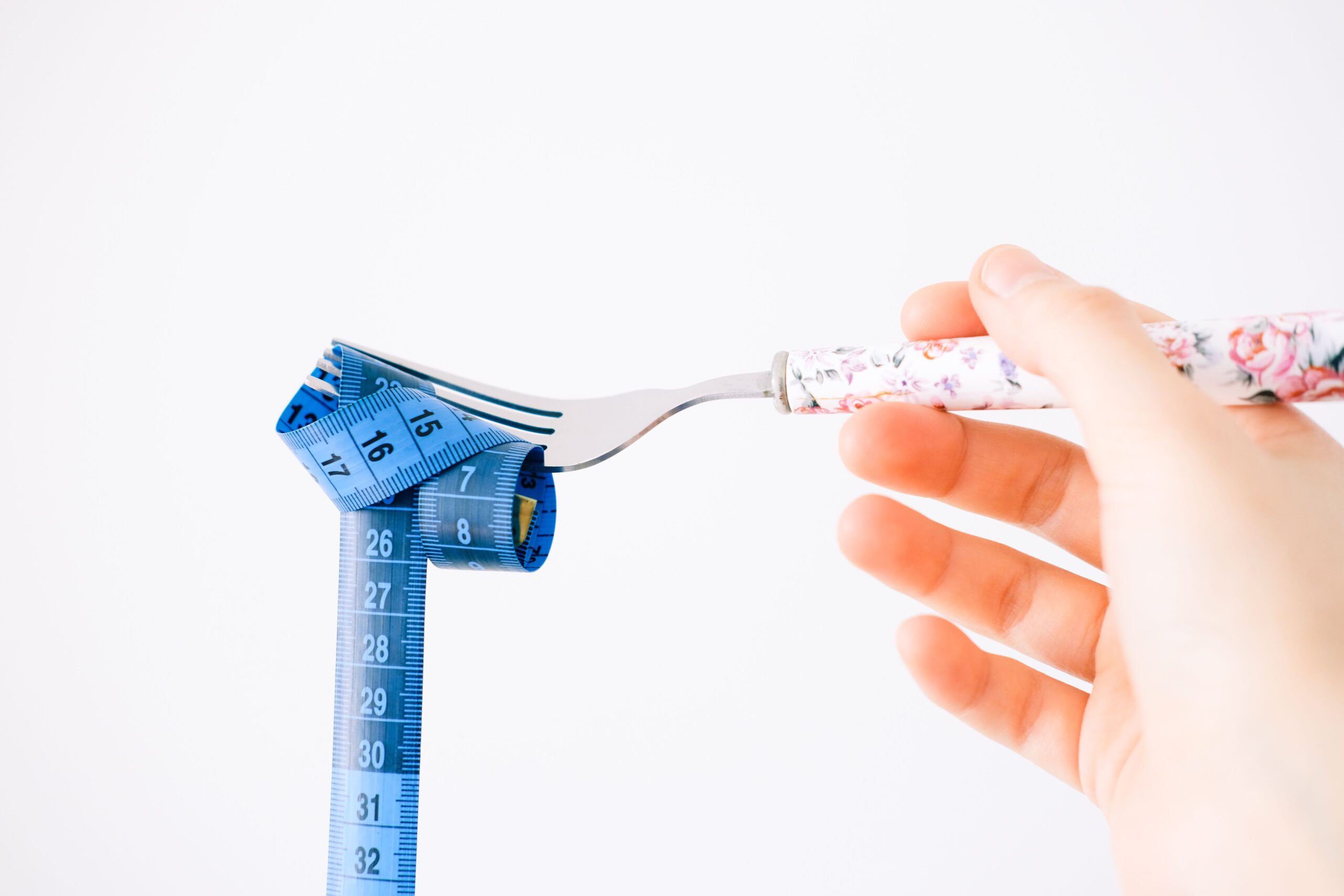
When many people begin their weight-loss efforts, they often feel disappointed when they don’t get the results they anticipated right away. Rather than feeling like they aren’t working diligently enough, they become frustrated because many times the weight-loss problem is due to mistakes that have consistently been made along the way that can hinder weight-loss efforts. If you are familiar with the most common errors when it comes to losing weight and knowing which mistakes you should avoid, it will help you lose weight faster and safely.
The purpose of this guide is to assist you in identifying the most frequently encountered mistakes people make when trying to lose weight and to offer realistic suggestions on how to keep your weight-loss efforts successful over time.
1.Skipping Meals
Many people who have tried dieting feel like they have lost weight simply by eating less food; in truth, that isn’t the case because when you skip meals, your chances of feeling very hungry later truly increase your odds of overeating when you do eat again.
To help avoid becoming too hungry and overeating, make sure that each of your meals offers a balance of protein, healthy fats, and fiber so that you can stay full longer.
2.Following Extreme Diets
Extreme diets may produce quick results but are difficult to maintain and usually cause the dieter to regain the initial weight they lost.
A good balance of food is one way to ensure that you will not be able to maintain your weight once you have lost it. A healthy, well-rounded diet consists of the following food groups:
- Fruits & Vegetables,
- Whole Grains,
- Lean Protein,
- Healthy Fats, and
- Water.
Sustainable dieting is much more beneficial than restrictive dieting.
3.Ignoring Portion Sizes
Eating too much healthy food still leads to excess calories (too much of even a healthy food will slow your progress).
Simple things that you can do to control portion sizes include:
Using smaller plates.
Measuring serving sizes.
Taking your time eating your meal.
Not taking second servings unless you are truly still hungry.
4.Drinking Too Many Sugary Beverages
Soft drinks, sweetened coffee, energy drinks, and even fruit juices add hundreds of calories to your daily caloric intake.
Better drink options include:
Water.
Sparkling water.
Unsweetened tea.
Black coffee (if you typically drink it without sugar).
5.Not Getting Enough Protein
Protein is important for maintaining muscle mass while losing fat, and keeping your body satisfied longer.
Some good sources of protein are:
Chicken.
Fish.
Eggs.
Greek yogurt.
Beans.
Lentils.
Tofu.
By including protein in all meals, it is easier to lose weight in a healthy way.
6.Relying Solely on Exercise
Exercise is important in any weight-loss program, but diet plays an equally large part in weight loss.
Combining healthy eating, routine exercise, adequate rest, and stress management will usually produce the best results.
A balanced approach is a successful long-term method for achieving weight loss goals.
7.Lack of sleep
When you do not get enough sleep it can negatively affect hormones such as those that regulate appetite, and create feelings of low energy which may discourage physical activity or smart food choices.
Sleeping at least 7 to 9 hours per night each night creates a good foundation for supporting healthy eating, exercise and overall well-being.
Expecting fast results
Losing excess weight in a healthy manner takes time, approximately 0.5-1 kg (1-2 lbs) per week would be an optimum amount of weight loss for most adult people, so try to achieve sustainable progress rather than instant results.
8.Not including strength training
Just like most people only perform cardio-type exercises; strength training can provide many benefits, including:
building lean muscle mass
building and/or increasing your metabolism
improving overall body composition
and maintaining muscle strength while losing weight.
Strength training includes resistance-based exercises performed a minimum of 2-3 days/week.
9.Giving up after a small setback
All people face challenges while on their own individual weight loss journey. For example, if you miss / do not go to a workout or eat one unhealthy meal, your progress has not been ruined; what is truly important is to continue with healthy eating and exercise as quickly as possible after an occasional miss/meal.
Consistency is much more important than perfection when it comes to successfully maintaining weight loss.
Creating Long Lasting Healthy Habits for Successful Weight Management
To avoid making many of the most common mistakes, build daily, healthy practices (i.e. habits) including:
Balanced meals
Proper water intake
Regular physical activity
Good sleep/well-rested
Controlled/stress management
Regularly tracking your progress
Setting reasonable realistic goals
Long-term maintenance of healthy habits is much easier than extreme dieting.
Final Thoughts
By determining the most prevalent error with weight loss, you’ll be able to create a much better success. Instead of trying to achieve instant gratification through quick weight loss results, look at the overall health by developing healthy habits to promote positive changes in your life. Making small daily improvements will typically provide the fastest, healthiest, and most sustainable weight loss results.
Once you learn to avoid these common mistakes by creating a healthy, well-balanced lifestyle, you’ll be well on your way to not only achieving your goal weight, but also to enhancing your overall health and wellness.







https://shorturl.fm/0gJXI
Entrepreneurship Success: Best Business Ideas and Growth Strategies
https://shorturl.fm/gpwDJ
Entrepreneurship Success: Best Business Ideas and Growth Strategies
https://shorturl.fm/9jRAg
Entrepreneurship Success: Best Business Ideas and Growth Strategies