

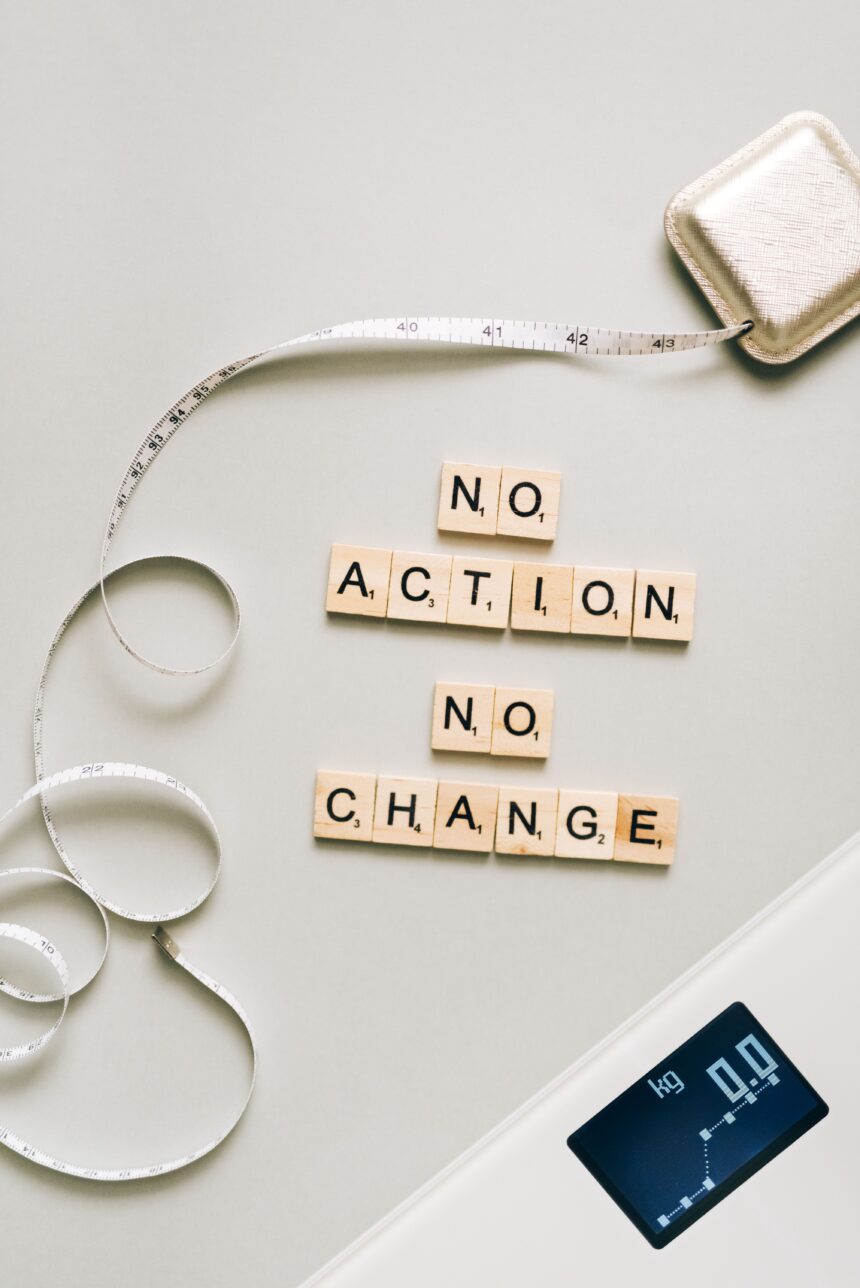
Beginning a weight-loss process may seem too daunting, especially if you do not know how to start your weight-loss journey. However, beginning to lose weight does not require drastic dieting or spending all day working out at the gym. By changing small, daily habits consistently, you can safely lose weight and improve your overall health.
This guide provides simple, practical steps to help anyone develop healthy habits that will produce lasting results.
1.Beginner’s Weight Loss
The goal of weight loss for beginners is to develop healthy lifestyle behaviors that lead to steady and permanent weight loss. A beginner should not be looking for a quick-fix way to lose weight, but rather a long-term solution.
On average, healthy weight loss for most adults would be losing 1 to 2 pounds (0.5 to 1 kilogram) in one week.
2.Set Realistic Weight Loss Goals
As you develop your weight-loss plan, you should establish goals that are specific and attainable. Here are some examples of goals you could make, such as:
Lose 10 pounds in 3 months
Walk 30 minutes 5 days a week
Drink 8 or more glasses of water daily
Eat vegetables with every lunch and dinner
You should also keep track of your progress so that you have something to motivate you throughout your journey.
3.Eat a Well-Balanced Diet
Eating well is the most important factor in achieving successful weight-loss.
Put emphasis on what you’re eating:
- Fruits and vegetables
- Lean proteins-such as chicken, fish, eggs, and beans
- Whole grains-oats, brown rice, and whole wheat bread
- Healthy fats-from nuts, seeds, avocados, and olive oil
Avoid foods with:
- Added sugars
- Fried foods
- Processed snacks
- Sugary drinks
A sensible diet offers the necessary nutrients your body requires while controlling your total caloric intake.
4.Control Portion Sizes
Even healthy foods can carry weight if eaten excessively.
Some simple tips for portion control are:
- Opt for a smaller-sized plate.
- Eat more slowly.
- Stop eating when you feel comfortably full.
- Avoid eating while watching television or when using your phone.
Mindful eating can equally assist in reducing the consumption of excess calories.
4Keep Active
Exercise helps lose fat while developing one’s strength and hearts.
Some good beginner-friendly exercises include:
Walking
Cycling
Swimming
Bodyweight exercises
Light strength training
Exercise at least 150 minutes of moderate-intensity exercise per week, with strength training at least twice a week.
5.Drink More Water
Water is just plain good for your health and will help you lose weight.
If you want to be successful in your weight loss journey, you should drink enough water. Drinking enough water has many benefits, including:
- Reducing hunger before meals
- Improving digestion
- Supporting metabolism
- Replacing high-calorie sugary drinks
A reusable water bottle can help keep you hydrated throughout the day.
6.Get Enough Sleep
Sleep is often neglected but is essential for weight loss.
Most adults need 7–9 hours of good quality sleep each night. Poor quality sleep can increase hunger, reduce your energy, and make it harder to make healthy choices.
7.Manage Stress
High levels of stress can result in emotional eating and poor lifestyle choices.
There are more positive means of managing stress, like:
- Going for a walk
- Deep breathing
- Meditating
- Reading
- Spending time with family and friends
When you reduce your stress levels, you will find it easier to stick to your weight loss program.
8.Track Your Progress
Tracking your progress is the best way to stay accountable to yourself.
You can track your:
- Weight
- Waist size
- Workout sessions
- Food intake
- Energy level
Don’t forget! Progress isn’t just about what you see on the scale; it’s about that increased energy, improved fitness levels and more restful sleeping patterns.
9.Beginner Mistakes To Steer Clear Of
Unfortunately, there are some common mistakes that affect a beginner’s ability to lose weight.
Avoid making these errors:
- Skipping meals
- Following diets that are too restrictive
- Expecting immediate results
- Drinking a lot of sugary beverages
- Not doing strength training
- Giving up after minor setbacks
Consistency is more powerful than being perfect.
10.Motivation Tips
To achieve long-term success, you need to create habits you can maintain.
To stay motivated:
- Celebrate small wins, or accomplishments
- Set achievable goals for yourself
- Work out with someone else
- Make meals healthy ahead of time
- Remember why you started
With every healthy choice you make, you’re one step closer to your goal.
Conclusion
For a beginner to lose weight, it’s about making healthy lifestyle changes over a period of time instead of looking for quick fixes. A balanced diet, exercise regularly, drink plenty of water, exercise less, and track progress; by doing these things you’ll be able to safely and effectively achieve your fitness objectives. So instead of focusing on being perfect, focus on being consistent. Small improvements each day will lead to weight loss and better health outcomes.